
Stonemasonry is one of the oldest and most revered crafts in human history, dating back to ancient civilisations. The art of shaping stone for construction and sculpture has been practised for thousands of years, with evidence found in the monumental structures of Egypt, Greece, and Rome. The Pyramids of Giza, the Parthenon, and the Colosseum are enduring testaments to the skill and dedication of stonemasons who, using only rudimentary tools, transformed raw stone into awe-inspiring works of art.
As societies evolved, so did the techniques and styles of stonemasonry. In medieval Europe, the craft flourished with the construction of cathedrals and castles, where stonemasons played a vital role in creating structures that were not only functional but also artistically significant. Gothic architecture, characterised by its soaring arches and intricate detailing, relied heavily on the expertise of skilled masons. This period saw the emergence of guilds, which were instrumental in training new craftsmen and maintaining high standards of workmanship.
The Renaissance marked another pivotal moment in the history of stonemasonry, as architects and artists sought to revive classical principles and incorporate them into their designs. The work of renowned figures such as Michelangelo, who famously sculpted the statue of David from a single block of marble, showcased the extraordinary potential of stone as a medium for artistic expression. Stonemasonry during this era became synonymous with innovation and creativity, with masons pushing the boundaries of what was possible in both design and construction.
The Industrial Revolution brought significant changes to the craft, introducing machinery that streamlined production processes. While this led to increased efficiency, it also posed challenges for traditional stonemasonry. In response, many artisans returned to the roots of the craft, emphasising handcrafted techniques and a deep understanding of materials. This revival of interest in traditional methods has fostered a renewed appreciation for the unique qualities of natural stone, with contemporary stonemasons drawing inspiration from their historical predecessors.
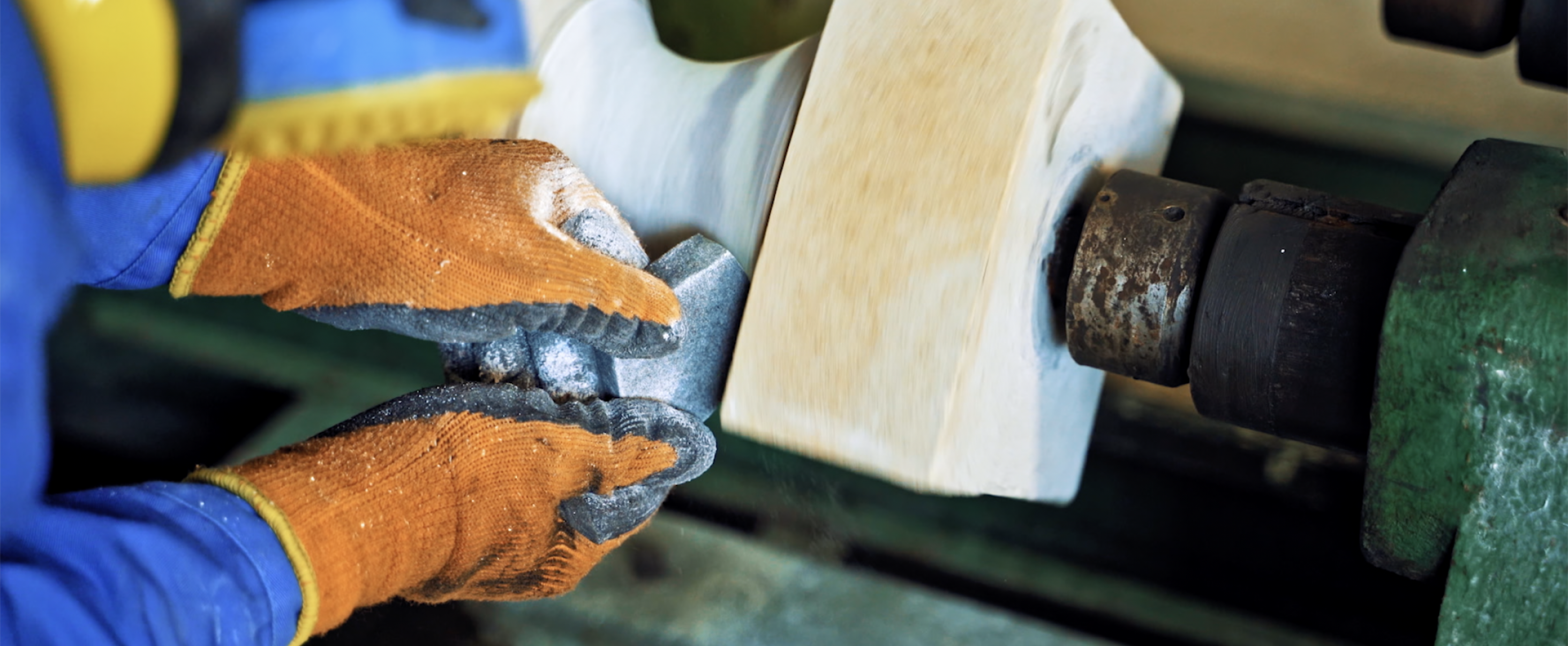
Today, stonemasonry continues to thrive as a respected craft, marrying time-honoured techniques with modern design technology and machinery. At Ian Knapper, we honour this rich heritage by combining our expertise in traditional craftsmanship with innovative approaches to create beautiful things in stone. Our work not only reflects our commitment to quality and craftsmanship but also pays homage to the storied history of stonemasonry – a craft that has shaped our built environment for millennia.
Through each project, we carry forward the legacy of generations of stonemasons, ensuring that the beauty and integrity of this ancient art form endures for future generations.